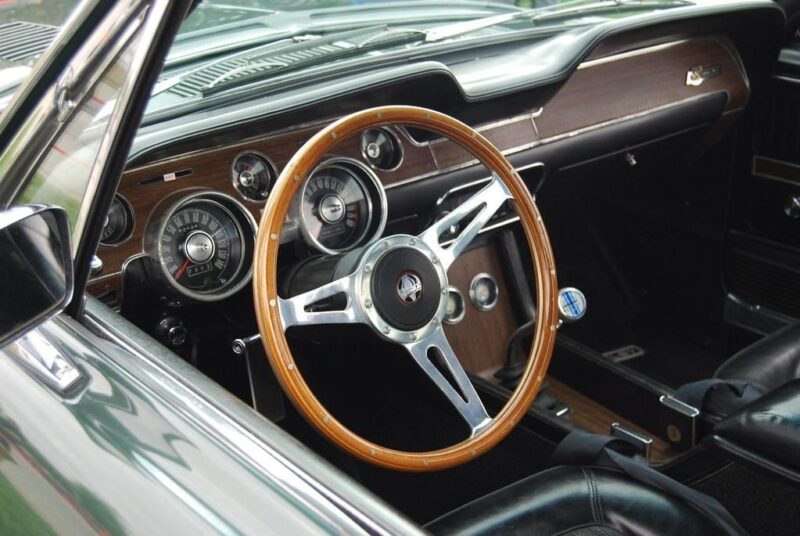
Some cars earn their place in history through innovation. Others do it through sheer presence. The 1968 Shelby GT500 KR—aptly nicknamed “King of the Road”—manages both.
It represents a peak moment in the muscle car era, when performance, design, and ambition came together to create something unforgettable.
Decades later, the GT500 KR continues to influence how enthusiasts and engineers think about power and performance. It’s not just remembered for what it was, but for what it still represents: a bold, uncompromising approach to driving.
What Made the GT500 KR Different
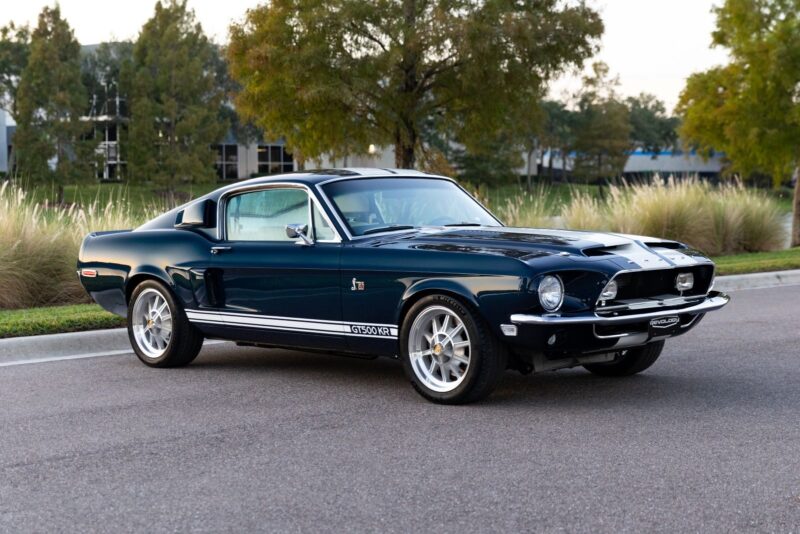
The GT500 KR wasn’t simply an upgrade—it was a statement. Built with a focus on delivering higher performance and a more refined driving experience, it pushed the boundaries of what a muscle car could be at the time.
Its enhanced engine output and carefully tuned components gave it a level of capability that set it apart from many of its contemporaries.
More importantly, it delivered that performance in a way that felt controlled and purposeful. It wasn’t just about speed; it was about how that speed was experienced behind the wheel.
Engineering Excellence Behind the Name
Power with Purpose
At the heart of the GT500 KR was an engine designed to deliver both strength and reliability.
This balance was critical, as it allowed the car to perform consistently under demanding conditions while maintaining a level of usability that made it practical for everyday driving.
The emphasis on durable, high-output engines continues to influence modern performance design.
Insights from this look at Mustang engine development highlight how these principles have evolved while staying rooted in the same foundational ideas.
Refinement Beyond Raw Performance
What set the GT500 KR apart was its ability to combine power with refinement. Its suspension and chassis were tuned to handle increased output, creating a driving experience that felt balanced rather than overwhelming.
This focus on integration remains a key principle in modern performance engineering, where power must be matched with control to deliver a cohesive experience.
Reimagining the 1968 Shelby GT500 KR Today
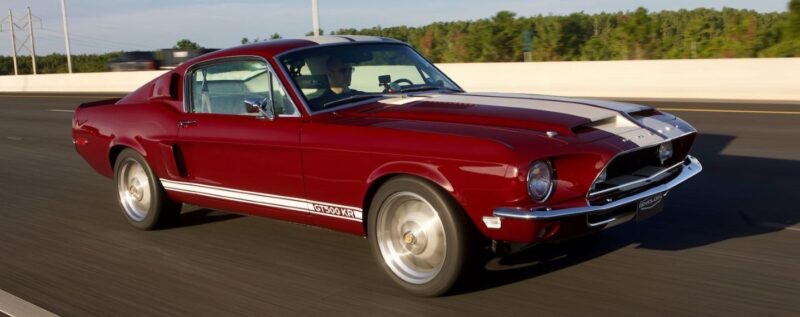
As original GT500 KR models become increasingly rare, enthusiasts are seeking ways to experience their legacy without the challenges associated with vintage ownership. Modern builds have emerged as a solution, offering updated engineering while preserving the car’s iconic design.
For those looking to connect with this heritage, the 1968 Shelby GT500 KR Mustang provides a refined interpretation. It captures the essence of the original while incorporating advancements that improve reliability, safety, and overall performance.
This approach allows drivers to engage with a classic in a way that feels both authentic and practical, bridging the gap between past and present.
The Role of Muscle Cars in Today’s Automotive Landscape
Contrasting Performance Segments
Modern automotive markets are diverse, with vehicles designed for a wide range of purposes. From high-performance sports cars to versatile pickup trucks, each segment offers its own strengths. Comparisons such as this evaluation of modern truck performance highlight how different priorities shape vehicle design.
Muscle cars, however, occupy a unique position. They prioritize driving experience and emotional engagement, offering something distinct from purely utilitarian vehicles.
Why Enthusiasts Keep Coming Back
The continued appeal of muscle cars lies in their ability to create a connection. They demand attention, reward skill, and provide a sense of involvement that many modern vehicles have softened. This connection is what keeps enthusiasts returning to models like the GT500 KR.
As the automotive industry evolves, this sense of engagement becomes increasingly valuable, reinforcing the importance of vehicles that prioritize the driver.
Design That Commands Respect
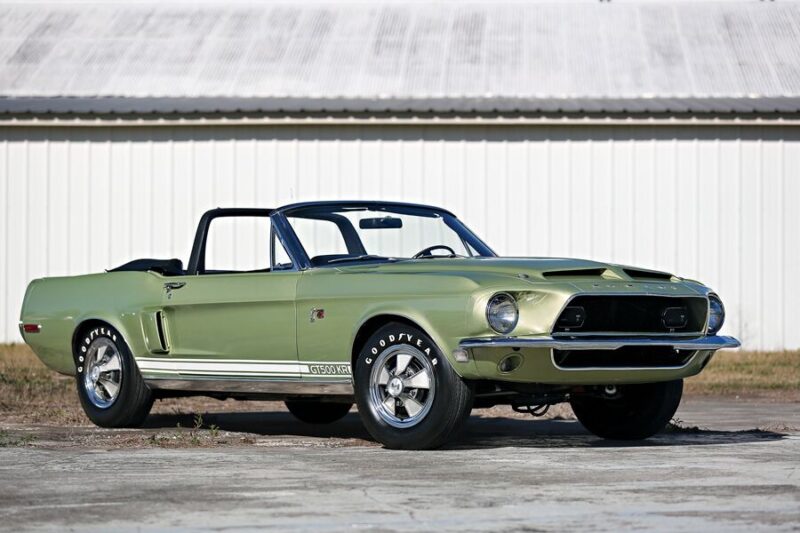
The GT500 KR’s design is as impactful as its performance. Its aggressive stance, bold lines, and unmistakable presence make it instantly recognizable. Unlike designs that rely on complexity, it achieves its impact through proportion and clarity.
This approach has influenced generations of vehicles, demonstrating that effective design does not need to be overly complicated. It simply needs to communicate purpose.
For enthusiasts, this visual identity is a key part of the car’s appeal, reinforcing its status as an icon.
Why the “King of the Road” Still Matters
The GT500 KR represents more than a high-performance vehicle—it embodies a philosophy. It shows what can be achieved when engineering, design, and ambition come together with a clear purpose. This philosophy continues to influence how performance cars are built and experienced.
Even as technology changes the automotive landscape, the principles established by cars like the GT500 KR remain relevant. They remind us that performance is not just about numbers, but about how those numbers translate into a meaningful driving experience.
For enthusiasts and designers alike, this perspective provides a foundation for understanding what makes a car truly exceptional.
Conclusion
The 1968 Shelby GT500 KR stands as a defining example of American muscle at its peak. Its combination of power, refinement, and design has ensured its place in automotive history, influencing generations of vehicles that followed.
Through modern interpretations and continued enthusiasm, its legacy remains alive. It serves as a reminder that true performance is not just about speed or output—it’s about the experience, the connection, and the lasting impression a car leaves behind. In that sense, the “King of the Road” still rules.